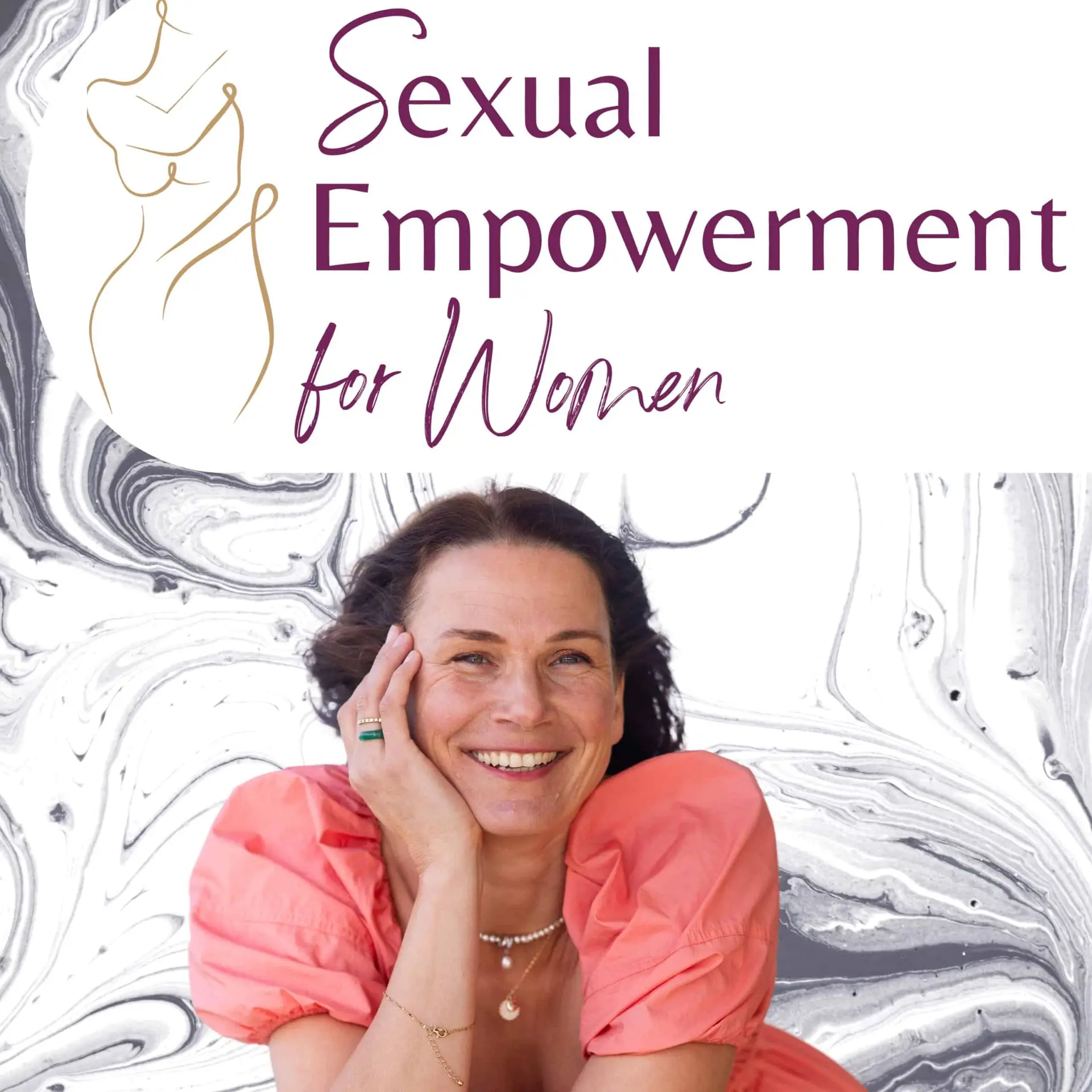
There comes a point when faking it stops meaning just performance in bed and starts meaning your whole life.
You smile, you cope, you keep the relationship going, you tell yourself this is just what happens after children, stress, menopause, work, years together. And yet something in you knows there is more.
Sexual empowerment for women is not about becoming louder, sexier, or better at pleasing someone else. It is about coming home to your body and your truth.
When you know deep in your heart that your body is yours, your sexuality belongs to you and your sexual desire is for your own pleasure.
Yes?
If you have been feeling numb, anxious, shut down, embarrassed about low desire, or disconnected from the woman you used to be, you are not broken.
And you don’t need fixing.
What you may need is finding a path back to yourself.
Are you ready and more importantly, willing?
What sexual empowerment for women really means
For many women, the phrase can sound over the top and vague at the same time.
It gets wrapped up in ideas of confidence, freedom, seduction, or being uninhibited.
But real sexual empowerment for women is much more grounded than that.
It means feeling safe enough in your own body to notice what you actually feel.
It means having permission to want what you want and not what the world tells you to want.
It means being able to speak about intimacy without collapsing into shame, fear or obligation.
It means understanding that your sexuality is not separate from your emotional world. If trust has been fractured, if resentment has built up, if your body has learned that closeness is unsafe, desire does not simply switch on because you think it should.
This is where many women get hard on themselves. They assume low desire is a personal failing. They compare themselves to who they were at 25, or who they think they should be now. They push, perform or withdraw.
None of that creates aliveness or sparks the desire.
Quite the opposite.
Empowerment begins when you stop judging & comparing yourself.
Why desire often disappears
Desire rarely vanishes for one simple reason. Usually, it is a layered story.
Sometimes the body is exhausted. Sometimes hormones have shifted during perimenopause or menopause, and arousal takes more time, more care, and more presence. Sometimes there has been a deep intimacy hurt in the relationship that was never fully repaired. Sometimes old shame, religious conditioning, body image struggles, or past sexual experiences are still shaping the present.
And sometimes the sex itself has become disconnected from your heart.
Many women can no longer access desire when intimacy feels like duty, pressure, or one more place where they are expected to perform.
The feminine body tends to respond to safety, emotional connection, spaciousness, and attunement.
That does not mean every woman is the same. It does mean that context matters far more than most people realise.
A therapeutic approach can help you untangle what belongs to stress, what belongs to hormones, what belongs to your relationship dynamic, and what belongs to unresolved pain. That distinction is powerful, because once you understand the pattern, you can begin to change it.
The first shift is safety, not technique
Women are often offered strategies before they are offered understanding.
Try lingerie. Schedule sex. Be more spontaneous. Think positive. Communicate better.
Some of these things can help in the right context. But if your nervous system does not feel safe, no technique will create the transformation you long for.
Safety is not a buzzword. It is the foundation of healing and opening your heart and body.
When your body has learned to brace, numb out, or stay vigilant, empowerment starts with helping it experience intimacy differently. That may look like slowing down. Breathing. Noticing sensations without forcing an outcome. Learning to name boundaries. Letting your body have a say.
This is one reason trauma-informed sex therapy and Emotionally Focused Therapy can be so effective. They do not treat desire as a surface problem. They work with the emotional bond, attachment patterns, and body-based responses that shape intimacy from the inside out.
There is beauty in this work. Not because it is always easy, but because it is honest.
Sexual empowerment for women in long-term relationships
If you are over 40 and in a long-term relationship, you may already know that love does not automatically create erotic connection. Deep companionship can exist alongside loneliness. You can care for your partner and still dread intimacy. You can miss touch and also pull away from it.
That tension is painful. It can also be workable.
The strongest relationships are not the ones with no ruptures. They are the ones where repair becomes possible. If your partner feels rejected and you feel pressured, both of you may be caught in a cycle that keeps reinforcing distance. The more one pursues, the more the other shuts down. The more shutdown there is, the more panic builds.
This is where couples therapy can be life-changing. Not because someone gets blamed, but because the pattern finally becomes visible. Once you can see the cycle, you can stop making each other the enemy.
For some women, empowerment means learning to speak the truth: I need more tenderness. I need more emotional presence. I need time. I need my no to be respected. I need us to heal what happened between us before my body can open again.
For others, it means admitting a simple truth: I have abandoned myself for years and I want to come back. I want to bring me back.
Practices that help you return to yourself
Healing sexuality is not only about talking. Insight matters, but many women cannot think their way into desire. The body needs experience.
A helpful starting place is very simple. Put one hand on your heart and one on your lower belly. Breathe. Notice if you can feel yourself from the inside. Not whether you feel turned on. Just whether you feel present. This small act begins to reconnect the heart and sex centres that so many women have learned to keep separate.
Another powerful practice is replacing performance-based questions with relational ones. Instead of asking, What is wrong with me? ask, What helps me feel safe, alive, and connected? Instead of, How do I get my libido back fast? ask, What has my body been carrying that it is ready to release?
Journalling can help. Guided meditation can help. Sensate, body-led exercises can help. So can working with a therapist who understands both the science of attachment and the sacred dimension of sexuality.
The key is gentleness paired with accountability. Gentleness without movement can become avoidance. Accountability without gentleness can become self-attack. Real change needs both.
What gets in the way of lasting change
One of the most common mistakes is chasing confidence before creating connection with yourself. Confidence is not usually the first step. Self-trust is.
Another is expecting instant desire in a body that has been ignored, criticised or overridden for years. Of course it may take time. Your body is not failing you by moving carefully. It may be showing wisdom.
A third is trying to fix sexuality in isolation when the relationship is part of the pain. If there are unresolved betrayals, chronic resentment, emotional disconnection, or a pattern of pressure and withdrawal, individual work may help, but it may not be the whole answer.
And finally, many women get trapped by the idea that empowerment should look a certain way. More adventurous. More orgasmic. More available. More glamorous.
Not necessarily.
Sometimes empowerment looks radiant and bold. Sometimes it looks like tears, honesty, and a boundary you should have spoken years ago. Sometimes it looks like rediscovering pleasure. Sometimes it looks like letting your heart open to your partner again after a long winter.
A more whole path forward
The women I see most transformed are not the ones who force themselves hardest. They are the ones who become willing to listen deeply.
They let themselves grieve what has been lost. They tell the truth about what hurts. They learn new ways to regulate their nervous system. They begin to experience intimacy not as a demand, but as a place of beauty, power and magic.
If you want support, https://sexualempowermentforwomen.com offers pathways that honour both emotional healing and embodied practice, including help for women and couples wanting to rebuild desire and connection.
You do not need to go back to who you were before. There may be a more radiant version of you waiting here – wiser, fuller, more alive in your own skin, with a heart wide open to the kind of intimacy that delights your soul.