There is a particular kind of fear that can rise when the thought appears: why I don’t want to have sex again. Not just tonight. Not just after a hard week. But a deeper, heavier feeling that makes you wonder whether something in you has gone missing.
If this is where you are, your body is not betraying you. And this feeling doesn’t mean your relationship is doomed. Very often, it means your system is asking for a different kind of care.
For many women, especially in midlife, low desire is not random. It can be a wise response to stress, resentment, hormonal change, painful sex, old wounds, emotional disconnection, or years of pushing through when your body wanted safety and presence instead.
When sex has become something you brace for, perform, negotiate around, or recover from, of course part of you may not want to go back.
Why I don’t want to have sex again may not be about sex
This is one of the most important shifts I wish more women could feel in their bones. When you think, why I don’t want to have sex again, the answer is often not that you are frigid, selfish, too old, or no longer feminine.
It is often that sex has become linked with pressure rather than pleasure. Or that you’re not having the kind of sex you want to have.
Your body keeps score of experiences your mind may try to explain away. If intimacy has felt rushed, one-sided, painful, emotionally disconnected, or loaded with expectation, your nervous system learns.
It starts to protect you. That protection can look like numbness, irritation, shutdown, anxiety, or simply having no interest at all.
This is especially common for women who are highly capable in the rest of their lives. You may know how to show up for work, family, friends, and everyone else. But sexuality does not thrive on duty. Desire needs space, trust, and enough inner permission to feel.
Common reasons desire disappears
Sometimes there is one clear reason. More often, it is a layering of many smaller injuries and unmet needs over time.
Hormonal shifts can absolutely play a part. Perimenopause and menopause can change lubrication, sensitivity, sleep, mood, and energy. If sex has started to hurt, or even if you fear it might hurt, your body may begin avoiding intimacy before you consciously realise it.
Emotional disconnection matters just as much. If there has been conflict, criticism, loneliness inside the relationship, or a lack of emotional attunement, your heart may not feel wide open enough for your body to follow. Many women are told they should just try harder, but forcing desire in the absence of safety rarely creates the heart-melting intimacy you long for.
Past trauma or old sexual shame can also reawaken at different life stages. You may have coped brilliantly for years, then suddenly find your body is no longer willing to override itself. This can feel frightening, yet it may actually be an invitation into healing.
Then there is the invisible mental load. If you are carrying the relationship, the household, the planning, the worrying, and everyone’s emotional needs, your erotic energy can get buried beneath exhaustion. You are not meant to bloom under relentless pressure.
When sex feels like obligation
One of the deepest wounds I see is when sex becomes a quiet contract. You do it to keep the peace. To avoid disappointing your partner. To stop the sulking. To feel like a good wife. To prove that everything is fine.
Over time, obligation erodes desire. TRUE!
Not because you do not love your partner, but because your body needs space and choice, not obligation. It wants your yes to be real.
This is where many women start blaming themselves. They say, I should want it. I used to want it. What is wrong with me? Yet the more honest question is often, what has made my body stop feeling safe, free, cherished, or turned on?
That question opens a different doorway. It replaces shame with curiosity.
Why your body may be saying no
A no from the body is not always a rejection of sex forever. Sometimes it is a rejection of the conditions around it.
Your body may be saying no to pain.
No to pressure.
No to being touched in ways that do not feel good.
No to emotional distance.
No to bypassing your own needs.
No to having intimacy reduced to intercourse when your whole being is craving connection, affection, reverence, and time.
There is beauty in learning to hear that no without turning it into a life sentence. A no can be information. A boundary. A beginning.
What to do if you don’t want sex any more
Start by taking yourself seriously. Not dramatically, but lovingly. If you do not want sex, there is a reason. You do not need to rush to fix it, but you do need to listen.
Begin with gentle honesty. Ask yourself what happens in your body when sex is initiated. Do you tense? Leave yourself mentally? Feel dread? Feel nothing? Wish it would be over quickly? Those responses are meaningful.
Then look at the whole picture. How is your relationship outside the bedroom? Are there unresolved hurts? Do you feel emotionally held? Are you touched with affection that does not lead to demand? Has sex become repetitive, disconnected, or centred around your partner’s release?
Also consider physical support. Painful sex, vaginal dryness, pelvic floor tension, medication side effects, fatigue, and hormonal changes deserve proper care. A trauma-informed therapist, GP, pelvic health specialist, or sex therapist can help you explore this with dignity.
If you are partnered, this may be a moment for a more truthful conversation. Not a blame-filled one. A brave one. Something like: I love you, and I need us to slow down and understand what is happening for me. I do not want to keep overriding myself. I want to find a way back to intimacy that feels good for both of us.
That kind of honesty can be deeply vulnerable. It can also be the doorway to real repair.
How to reconnect when “why I don’t want to have sex again” feels constant
Please hear this: healing desire is not about performing desire. It is about rebuilding safety, pleasure, and connection from the inside out.
For some women, that begins with taking intercourse off the table for a while and restoring pressure-free touch. For others, it starts with solo reconnection – placing a hand on your heart and belly, breathing, noticing sensation, and allowing your body to tell the truth. Small body-led practices can bring you back to yourself more powerfully than mental analysis alone.
Emotionally Focused Therapy can be especially supportive when the issue is woven into attachment pain, loneliness, or recurring relationship patterns. Sex therapy can help when desire, arousal, pain, and communication have become tangled. When these approaches are trauma-informed and combined with body awareness, women often discover that their lack of desire was never random. It was intelligent.
And yes, there are times when you may decide you genuinely do not want sex in the way you once did. That deserves respect too. The goal is not to force yourself into a version of sexuality that does not fit. The goal is truth, aliveness, and choice.
You are allowed to want a different kind of intimacy
Sometimes what a woman misses is not sex itself, but the kind of intimacy she has not been having. She misses being met. Being adored. Being kissed without agenda. Feeling beautiful in her body. Feeling her heart open instead of armour up.
When those deeper longings are named, the conversation changes. You are no longer asking, how do I make myself have sex? You are asking, what kind of connection would help me feel safe, radiant, and available to desire again?
That is a far more powerful question.
If this is your season, please move with gentleness and courage. You do not need to push past your body to be a loving partner. You do not need to shame yourself back into responsiveness. There is wisdom here, even if it arrived wrapped in grief.
And if you want support, that is not weakness. It is devotion to your own healing. Work like this can be explored inside trauma-informed sex and couples therapy, including support through Sexual Empowerment For Women for women who are ready to reclaim confidence, reconnect with their bodies, and create intimacy that feels nourishing rather than depleting.
Your body is not the enemy. It may be the guide that finally leads you home to the beauty, power and magic that was never lost.
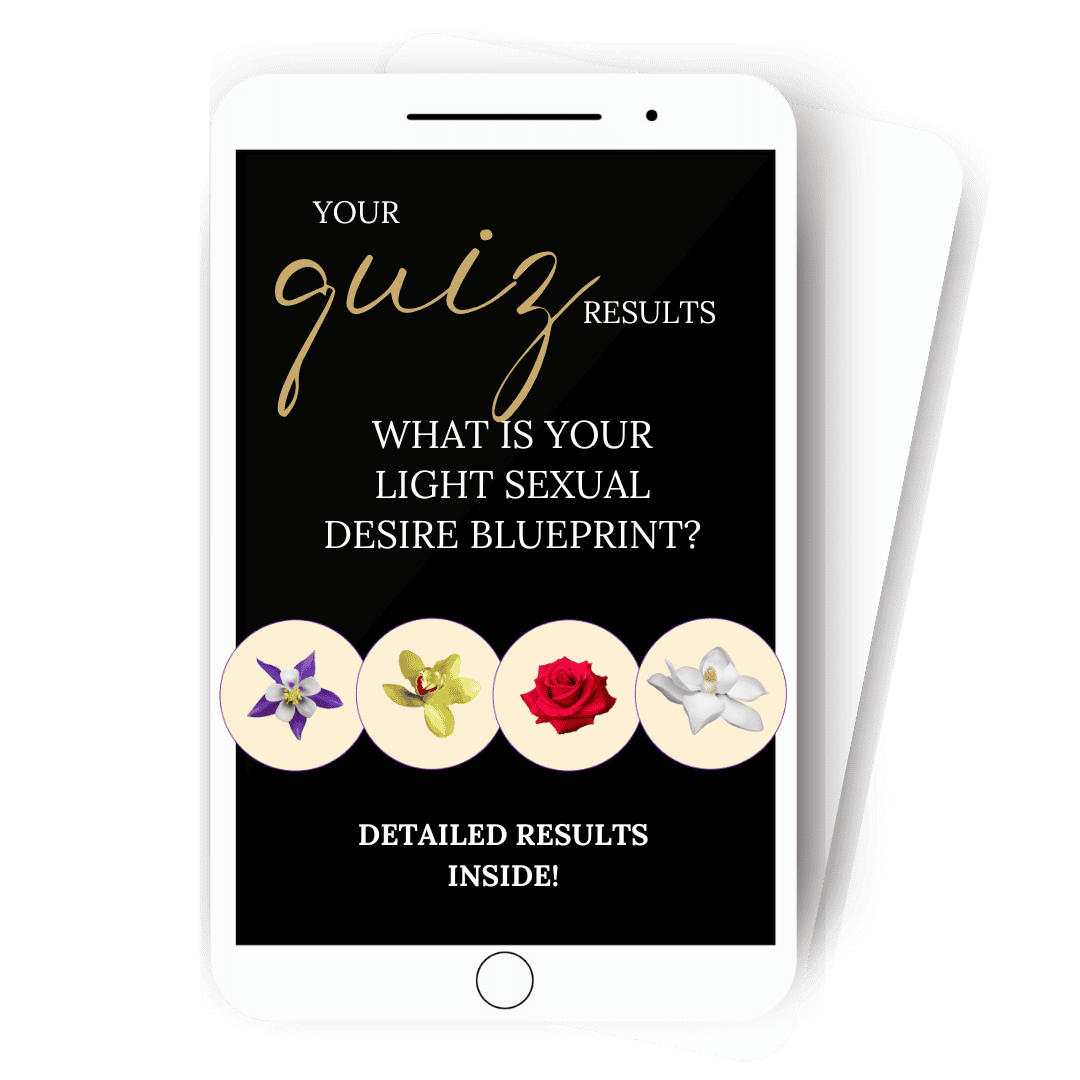
Here’s Sexual Desire Blueprint quiz for you to start reclaiming your desire.
>>https://sexualempowermentforwomen.com/quiz/
If you want more support, reach out tarisha@sexualempowermentforwomen.com