Sex doesn’t have to fade the longer you’re together. If you love your partner, you want to stay, and you’ve started to wonder “is this it?”, this episode is for you, because you can keep passion alive in marriage without opening your relationship or starting again with someone new.
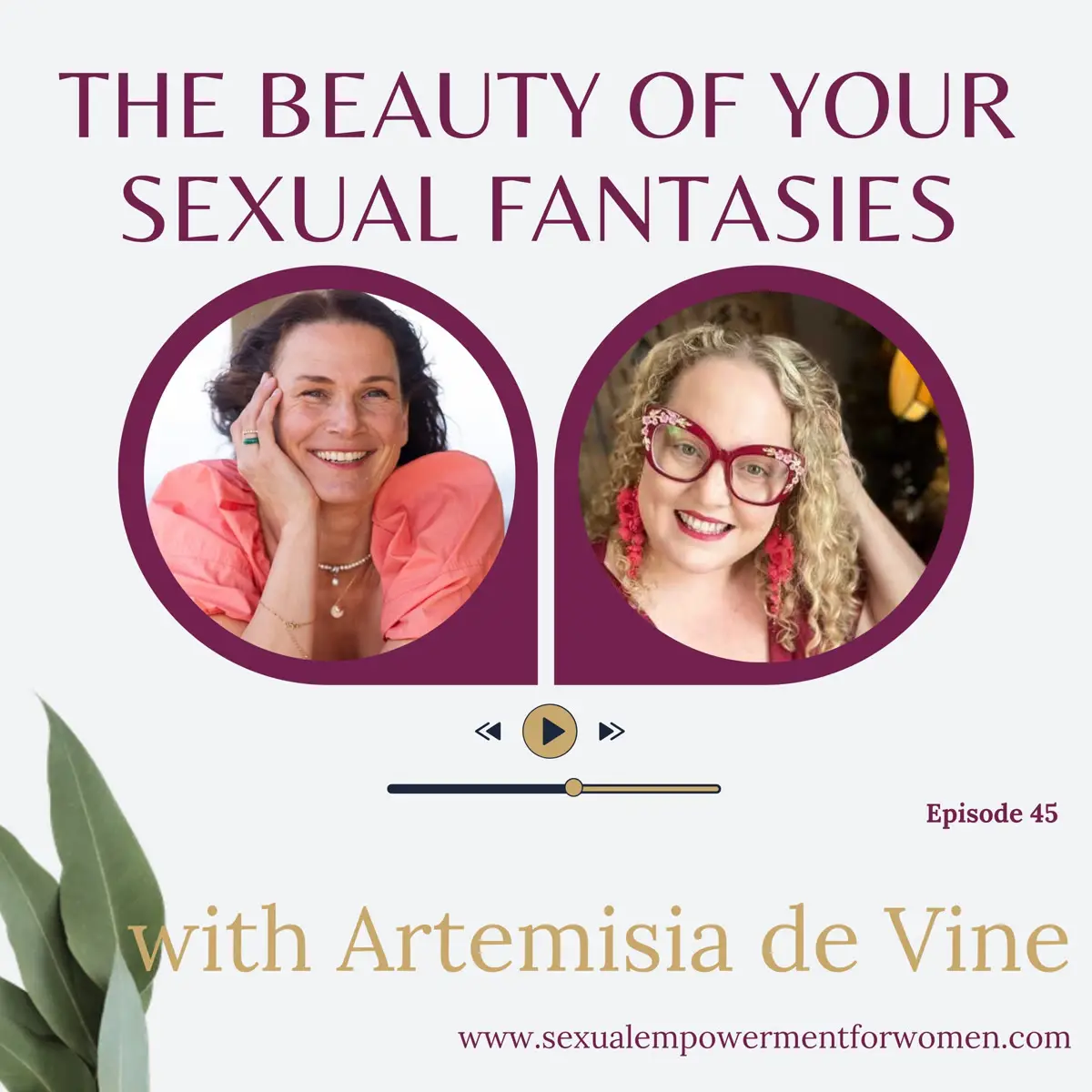
In this episode of the Sexual Empowerment for Women podcast I talk with Dr Diane Mueller, and you’ll walk away with a simple way to bring novelty back into your sex life, the difference between desire and arousal that changes how you approach intimacy, and an easy first step for talking about sex with your partner without anyone getting defensive.
Prefer to listen? The audio version is right here.
Listen and Subscribe
Press play above, or listen wherever you keep your podcasts. Subscribing is the thing that helps other women find this work.
Why Sex Doesn’t Have to Get Worse Over Time
So many of us carry a belief we never chose. Somewhere along the way we picked up the idea that sex has to decline, in how often we have it and in how good it feels, the longer we’re with someone.
Diane shared a question from Richard Bandler, co-founder of NLP, who was warned before his wedding that sex would go downhill. He asked: where else in life do we practise something over and over again and get worse at it?
I love that question, because what I teach is “the longer, the deeper”. Diane believes the opposite of decline is possible too, as long as we have the tools, the training and the education. Left to our own devices, without anything to intervene, sex can go flat. But that isn’t fate, it’s just about how we practise.
She explains it with a guitar. Imagine learning to play and practising only the G, C and D chords every day for years. It’s exciting at first, then it gets boring. Many couples do the same thing with sex, we find our three chords early in the relationship and then we play them on repeat.
What Happens to Desire After the Honeymoon Phase
In the beginning, the brain runs on dopamine. Every “will they call, will they text, when’s our next date” builds anticipation, and every call, text or first kiss gives you a rush of reward. Diane says this new relationship energy commonly lasts six to 18 months.
Then our lives combine, we move in, marry, have children, and the space between disappears. Of course they’ll call, you’ll see them at breakfast.
Diane sees that predictability as one of the lovely parts of monogamy, because predictability brings safety, and safety is what lets you go deep. In my work as a couples therapist I see what happens next, though. Couples contract, they settle into their roles, there’s no breathing space left, and attraction starts to fade. If you want to keep passion alive in marriage, the answer is to bring back a little space and a lot more novelty.
Novelty Is How You Keep Passion Alive in Marriage
Lots of couples assume the only way to bring novelty back is to open the relationship. Diane has seen that work for some couples and tear others apart. This conversation is for you if you already know it’s not for you either.
So how do you keep passion alive in marriage and still keep the safety of monogamy? Diane sorts novelty into three categories: people, places and things.
People is role play, dressing up, even a wig. Her favourite is stepping into different archetypes, the parts of you that rarely get a voice. Maybe it’s the teaser, maybe it’s the more intense part of you. She’ll put on music, move, and ask how that part of her makes love, and sometimes her partner feels the shift without being told.
I call this expanding your erotic flavours. And if you’re worried it isn’t authentic, Diane has a great answer. We all slip into scripts, and when we wake up the parts of us that have been hiding, we become a fuller expression of who we really are, not less.
Desire vs Arousal: Stop Waiting to Be in the Mood
Women often tell me they’re waiting for the right mood, that sex only feels possible when they’re happy and calm. This is where the difference between desire and arousal matters so much.
Desire lives in the brain, it’s the “oh, they’re sexy” thought. Arousal lives in the body. Men tend to feel desire first and arousal second, while Diane explains that once the new relationship chemicals wear off, many women experience it the other way around.
That’s why things like a sensual massage, a bath, a foot rub and slow, unhurried touch matter so much. They help you drop out of the day and into your body. After 15 to 20 minutes, desire often switches on. It’s why so many women begin intimacy not quite in the mood and end up thinking, why don’t we do this more often?
In fact, waiting for desire might be the very thing keeping you stuck. You can create it through arousal instead. If you’d like to understand your own wiring, read about women’s anatomy of arousal.
Places, Things and Embracing the Awkward
Places can be as simple as a different room. One couple Diane works with loves the closet, because the kids never find them there, and others love a remote hike where they’re totally alone.
Things covers new positions (she suggests flipping through a sex position book to jog your memory), blindfolds, handcuffs, music, toys, breath work and sound. We fall into habits with sound too, and changing your sound and breath can help you stay in that seven or eight out of ten range for longer, so pleasure stretches out from seconds into minutes.
For me, all of this brings back playfulness, which is the first thing to go when we start taking sex so seriously. New things will be awkward sometimes. Diane laughed about bumping heads with her partner mid-move, and instead of letting it ruin the moment, they giggled and started again. So stop trying to avoid awkward sex and start embracing it, because that’s where the connection is. You’ll find more ideas in how to create erotic rituals for long term couples.
How to Talk About Sex Without Anyone Getting Defensive
If you’re listening and thinking “I could never talk to my partner about this”, that’s a sign something isn’t quite open between you yet. Sex is vulnerable, and we need emotional intimacy to have these honest conversations.
Diane says that in conversations about sex, the biggest worry is the threat to the self. You’re both naturally protecting yourselves. So start with what you love and want more of. Name something specific your partner did, tell them you loved it, tell them how it made you feel, and stop there.
Over time that builds erotic safety, and your body learns that talking about sex is safe. I call this finding your erotic voice. Then you can bring curiosity to the new things. If your partner says no to blindfolds, ask what makes them not interesting. Maybe they’d miss eye contact, so you try two minutes and take it off. And if it’s a hard no, that’s okay, there’s plenty more to explore. For more on this, read erotic communication skills that build desire.
Pleasure Is Something You Require
Diane’s message for women in a long-term relationship who still want to stay is this: pleasure isn’t only about desire, it’s something you require. She explains that orgasm raises oxytocin far more than a long hug does, and when oxytocin goes up, cortisol, anxiety and low mood come down and sleep improves.
If orgasm has always been hard for you, or has become hard now, there’s nothing wrong with you. It’s common, and it just means you haven’t learned how yet. Your body can learn.
Frequently Asked Questions
Does sex always get worse in a long-term relationship?
No. Without new tools it can go flat, but with education and practice, sex can get deeper the longer you’re together.
How do you keep passion alive in marriage without opening the relationship?
Bring in novelty through people (role play, archetypes), places (new rooms, nature) and things (positions, blindfolds, breath and sound), while keeping the safety of monogamy.
What’s the difference between desire and arousal?
Desire is in the mind and arousal is in the body. Many women in long-term relationships feel arousal first, and desire follows once their body is warmed up.
How do I start talking to my partner about sex?
Start with something specific you loved and want more of. It builds safety, so harder conversations become easier later.
About Dr Diane Mueller
Dr Diane Mueller, ND, DAOM, is a board-certified sexologist with doctorates in Naturopathic Medicine and in Acupuncture and Oriental Medicine. She’s the founder of MyLibidoDoc.com and host of The Libido Lounge podcast, and she helps monogamous couples create more passion, desire and better communication. On her site you’ll find her free yes, no, maybe checklist to go through with your partner on a date night. She also offers a free libido quiz at LibidoQuiz.com to help you explore possible root causes of low desire and know which tests to ask your doctor about.
Discover Your Sexual Desire Blueprint
Take the free 60 second quiz and discover your Sexual Desire Blueprint: sexualempowermentforwomen.com/quiz. Or start the free mini-course, Reclaim Your Sexual Confidence.